

Dermal Fillers in Marylebone, London
Premium Facial Contouring in Marylebone
What dermal fillers are, and what they do
Comprehensive dermal filler treatments for facial contouring, volume restoration, and wrinkle reduction. Achieve natural, beautiful results with premium fillers.
Dermal fillers are versatile injectable treatments that can address a wide range of aesthetic concerns. At Mesglo London, we use only premium hyaluronic acid fillers from leading manufacturers to ensure safety, efficacy, and natural-looking results. Whether you're looking to restore lost volume, smooth wrinkles, enhance facial contours, or rejuvenate your appearance, our expert practitioners can create a bespoke treatment plan tailored to your unique needs. Dermal fillers work by adding volume beneath the skin's surface, smoothing lines and creating youthful contours. The results are immediate and can last from 6 months to 2 years depending on the treatment area and product used.
Key Benefits
- Restores lost facial volume
- Smooths lines and wrinkles
- Enhances facial contours
- Immediate, natural-looking results
- Minimal downtime required
- Long-lasting effects
- Fully reversible with hyaluronidase
- Can treat multiple areas
Treatment Process
- Consultation Comprehensive facial assessment and goal discussion
- Treatment Planning Customised plan for your specific concerns
- Preparation Cleansing and numbing of treatment areas
- Treatment Precise injection using advanced techniques
- Assessment Immediate review and any adjustments
- Follow-up Review appointment to assess final results
How hyaluronic acid filler works in the skin
Hyaluronic acid is a sugar molecule your own skin already makes. It holds water, and that is the whole mechanism: a gel of cross linked hyaluronic acid placed under the skin draws water to itself and occupies space, so the tissue above it sits higher than it did. Nothing is cut, nothing is implanted permanently, and the body breaks the gel down over months with its own enzymes until the area returns to how it started.
How a filler behaves depends on how tightly it is cross linked. A firm, highly cross linked gel resists being squashed, which is what you want deep on bone for a chin or a jawline. A soft, loosely cross linked gel spreads and moves with the tissue, which is what you want in a lip or just under thin skin at the temple. Using a firm product in a soft place is how faces end up looking stiff or lumpy, and using a soft product where structure is needed is how a treatment achieves nothing visible. The choice of gel, the depth of placement and the volume are three separate decisions, and all three are made at the assessment rather than on the day you book.
Because the gel is hyaluronic acid rather than a permanent implant, it can be dissolved. An enzyme called hyaluronidase breaks it down within a day or two. That reversibility is the single most important safety feature of this class of filler, and it is the reason we do not offer permanent or semi permanent alternatives.
Which areas respond to filler, and which need a different treatment
Filler replaces volume and creates structure. It is at its best where the problem is genuinely a loss of volume or an absence of projection.
- Cheeks and midface. The first area most people lose volume from. Restoring support high on the cheekbone lifts the tissue below it, which is why midface filler often improves the nasolabial fold without the fold itself being injected.
- Chin and jawline. Structural work on bone. A short or recessed chin changes the whole side profile, and definition along the jaw is one of the few filler results that reads clearly in photographs. Both are covered in detail in the two sections below.
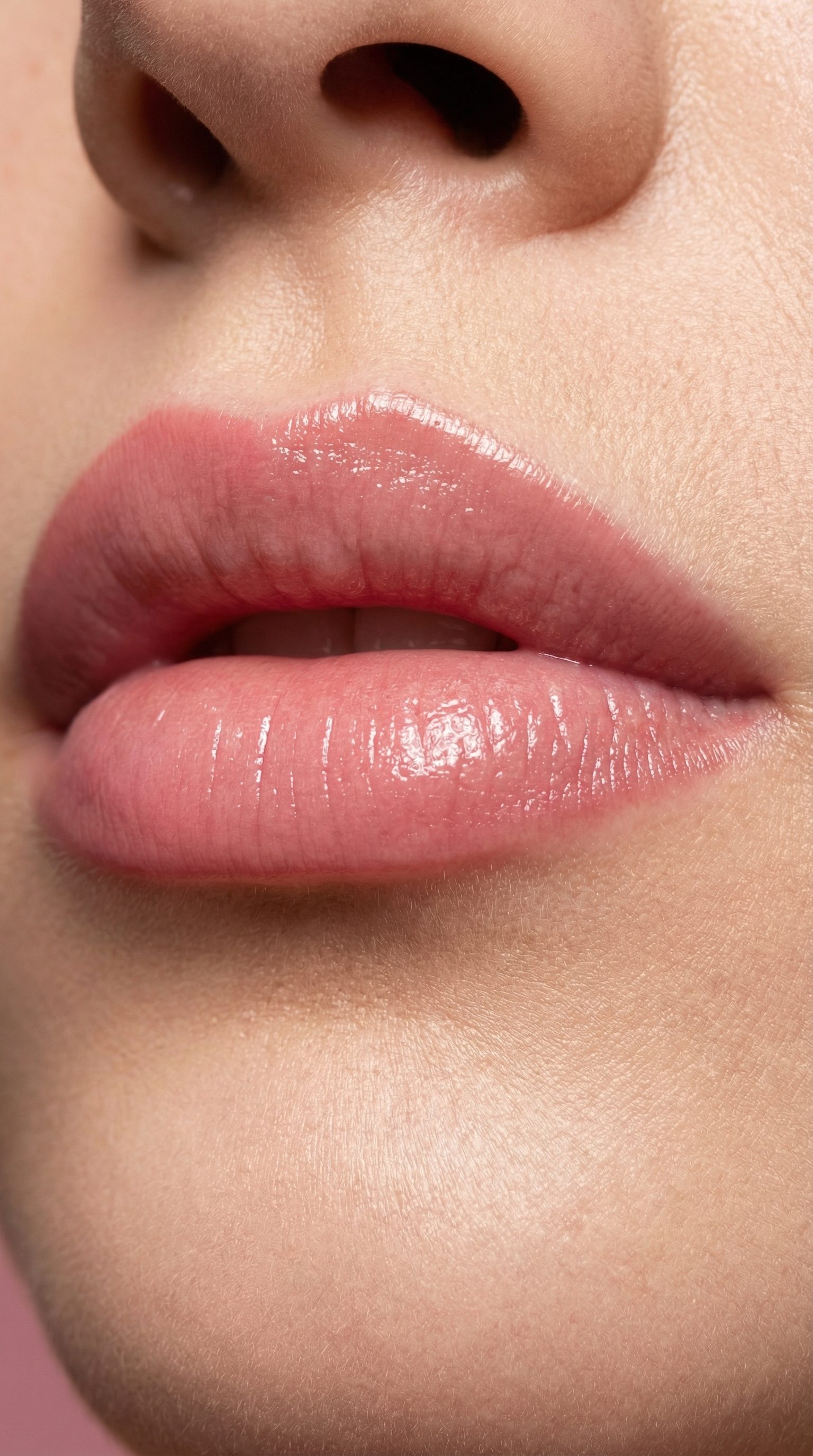
- Lips. Shape, border and hydration rather than size. Small volumes, placed accurately, change the proportion of the upper to the lower lip and the definition of the vermilion border.
- Temples. Hollowing here narrows the upper face and makes the brow look heavier. A modest correction widens the frame again.
- Nasolabial folds and marionette lines. Treatable directly, though the cause often sits higher up, so these are usually addressed after the midface rather than instead of it.
- Tear troughs. The most technically demanding area on the face, and the one where a conservative approach matters most. Thin skin, a tendency to hold fluid and the proximity of blood vessels mean that less product placed carefully beats more product placed quickly.
Some concerns look like volume loss and are not. Loose skin with no volume deficit will not tighten with filler, and adding gel to it makes the face heavier rather than firmer. Fine surface lines, dull or crepey skin texture and loss of general skin quality are answered by treatments that work on the skin itself, such as Profhilo, polynucleotides, micro-needling or a peel. Lines that only appear when you move, such as forehead lines or frown lines, are muscle rather than volume and belong to anti-wrinkle injections. An assessment that ends with a recommendation other than filler is a normal outcome of the consultation, not a failed one.
Jawline filler in Marylebone: definition along the jaw
Jawline filler is a firm, highly cross linked gel placed deep, on or close to bone, along the back of the jaw and the angle. It is structural work rather than volume work: the aim is a cleaner line between the face and the neck, and a more defined angle, not a wider or heavier face. It is one of the few filler results that reads clearly in photographs, which is why people usually notice it before they can say what changed.
It is the right treatment when the jaw line has softened with age or weight change, when the angle is naturally shallow, or when the transition from jaw to neck has blurred because the tissue above it has lost support. It is the wrong treatment when the issue is loose skin with no volume deficit, or fullness under the chin, because adding gel there makes the lower face heavier rather than sharper.
Jawline filler and jaw reduction are often confused and do opposite things. Filler builds the line outward and backward to define it. Jaw reduction uses anti-wrinkle injections to relax an overdeveloped masseter muscle and narrow a square jaw, and is also what is used for clenching and grinding. A face can need one, the other, or both in sequence, and which it is becomes clear at the assessment rather than beforehand.
Structural work on bone is the longest lived filler result, often up to two years. Treatment takes thirty to sixty minutes, swelling settles over the first week and the result is assessed at two weeks.
Chin filler in Marylebone: projection and profile
Chin filler places a firm gel on the chin to add projection, length or width, and it changes the side profile more than almost anything else that can be done without surgery. A short or recessed chin makes a nose look larger, makes the lower face look shorter, and leaves the jaw with nothing to run towards, so the chin is often treated first when the complaint is really about the jawline or the profile as a whole.
It also supports the lips from behind. A flat profile that someone reads as thin lips is sometimes a chin question, and treating the chin can do more for the balance of the mouth than adding more product to the lips themselves. The two areas are assessed together rather than separately.
Chin and jawline are usually planned as one treatment, because a defined jaw with no chin projection, or a projected chin with no jaw line behind it, looks unfinished. Where the budget or the anatomy means doing one first, the chin normally comes first. Like the jawline, chin filler commonly holds up to two years.
Fullness or laxity under the chin is a different problem and is not treated by adding filler to it. If that is the main concern, say so at the consultation and it will be assessed on its own terms.
How long dermal filler lasts in each area
Longevity is decided by three things: the product, the area and you. Areas that move constantly break the gel down faster, which is why lips are the shortest lived result on the face and deep structural work on bone is the longest.
- Lips: typically six to twelve months.
- Cheeks and midface: typically twelve to eighteen months.
- Chin and jawline: often up to two years with a firm, structural gel.
- Tear troughs: variable, commonly nine to eighteen months.
Those are ranges rather than promises. A fast metabolism, regular high intensity exercise, heavy sun exposure and smoking all shorten the life of a filler result. The pattern most people settle into is a review at around twelve months, where a smaller top up maintains what is already there, which costs less and uses less product than starting again from nothing.
Dermal filler, Profhilo or a skin booster: which does what
These are often discussed as if they were competing versions of the same treatment. They are not, and the distinction decides whether you will be happy with the result.
Dermal filler is a shaped gel placed in a chosen plane to occupy space. It has a shape and a position, and it is used when the face needs volume or projection it does not currently have.
Profhilo is hyaluronic acid that is not cross linked into a shaping gel. It spreads through the tissue rather than holding a shape, and it is used to improve hydration and skin quality across an area such as the lower face or the neck. It will not project a chin or define a jawline.
Polynucleotides and mesotherapy work on the quality and behaviour of the skin rather than its volume, and are chosen when the complaint is texture, thinness or dullness rather than shape.
A plan that combines them is common: structure where structure is missing, skin treatment where the skin is the problem. If you are not sure which of the two your own concern is, that is precisely what an assessment is for, and it is a better question to arrive with than a product name.
The first two weeks: swelling, bruising and settling
You will see a change as you leave, because the gel occupies space immediately. What you see on day one is not the result. Swelling peaks in the first twenty four to forty eight hours, settles over the following week and has usually resolved by two weeks, which is when the outcome is assessed and when photographs are taken.
Bruising is possible anywhere a needle enters skin and is more likely in lips and tear troughs than on cheeks or a jawline. It typically fades within a week and covers easily. Tenderness, small firm areas that soften, and a slightly uneven feel in the first days are all normal and are not a sign that anything has gone wrong.
For the first twenty four hours, keep the area clean, avoid make up over injection points, and avoid strenuous exercise, saunas, steam rooms and alcohol. Avoid facials, massage and any other treatment over the area for two weeks. Sleeping on your back for the first couple of nights helps if lips or cheeks were treated. If something concerns you at any point, contact the clinic rather than waiting for the review: early questions are easy to answer.
Risks, side effects and how they are reduced
Every injectable treatment carries risk, and a clinic that does not discuss it is not giving you what you need to consent properly.
Common and self limiting: swelling, bruising, redness at injection points, tenderness and short lived asymmetry while swelling settles.
Uncommon: a firm area or nodule that needs massage or, occasionally, dissolving; a result that is not what you wanted, which with hyaluronic acid can be adjusted or reversed; delayed inflammatory swelling, which can appear weeks or months later, often after an infection or a vaccination, and is managed medically.
Rare and serious: vascular occlusion, where filler enters or compresses a blood vessel and interrupts the blood supply to the skin, or in the worst case to the eye. It is the reason filler must be placed by someone who knows the vascular anatomy of the face, who aspirates and injects slowly, who uses a cannula where a cannula is safer, and who keeps hyaluronidase on site and knows the protocol for using it urgently. Ask any clinic you are considering whether they hold hyaluronidase and what their escalation plan is. At Mesglo the answer is yes, and the plan is explained at your consultation.
This page is general information. It is not personal medical advice, and nothing here replaces an in person assessment.
Who should not have dermal filler
We will decline treatment, or defer it, if you are pregnant or breastfeeding; if you have an active skin infection, inflammatory condition or cold sore outbreak at or near the site; if you have had a recent vaccination or are unwell with an infection; if you have a known allergy to hyaluronic acid or lidocaine; if you have an autoimmune or connective tissue condition that your specialist has advised against injectables with; or if you are taking a medication that makes the treatment unsafe.
We also decline on judgement rather than contraindication. If the concern you describe will not be improved by filler, if the amount of product needed to achieve what you are asking for would not look well, or if the expectation is one no injectable can meet, we will say so and offer the alternative that does address it. Treatment is not performed on anyone under eighteen.
What dermal fillers cost at Mesglo, and what the price covers
Dermal filler treatment at our Marylebone clinic starts from £250. The final figure depends on the area and on how much product the plan needs, and it is confirmed in writing at your consultation before anything is agreed, so you never arrive at a price on the day.
The fee covers the assessment, the plan, the product, the treatment itself, aftercare advice and the review appointment where the settled result is checked. Current prices for every treatment are listed on our booking page, and you are welcome to ask on WhatsApp before you book.
A word on cost generally. Filler priced well below the market usually means a smaller volume than the plan requires, a cheaper product, or a practitioner without the qualification and the medical backup to manage a complication. Correcting a poor filler result costs more than having it done properly once.
Dermal fillers in Marylebone, central London
Treatment is carried out by Rahena, an Ofqual regulated Level 7 practitioner, at our clinic at 4 Baker Street, London W1H 6AZ. We are a short walk from Baker Street and Bond Street underground stations, which puts us within easy reach of Marylebone, Harley Street, Mayfair, Fitzrovia and the West End.
Every treatment begins with a face to face assessment rather than a price list. If you would like to talk it through first, book a consultation online, call the clinic, or message us on WhatsApp.
Questions people ask
What areas can be treated with dermal fillers?
Dermal fillers can treat many areas including lips, cheeks, chin, jawline, temples, tear troughs, nasolabial folds, and marionette lines. We can create a comprehensive plan addressing multiple concerns.
How long do dermal fillers last?
Duration varies by area and product: lips typically 6-12 months, cheeks 12-18 months, and some areas up to 2 years. Regular maintenance helps maintain optimal results.
Are dermal fillers safe?
Risk is reduced by who injects, what is injected and how much. Only hyaluronic acid fillers are used here, which can be broken down with hyaluronidase if needed, and every treatment is assessed and performed by Rahena, an Ofqual regulated Level 7 practitioner. Common effects are swelling, bruising and tenderness; rare and serious complications are explained in full at consultation before you consent.
What is the difference between fillers and anti-wrinkle injections?
Dermal fillers add volume and smooth static lines that are present at rest. Anti-wrinkle injections relax the muscle that creates lines when you move, such as forehead and frown lines. They answer different problems and many plans use both.
How much do dermal fillers cost in London?
At Mesglo in Marylebone, dermal filler treatment starts from £250. The final price depends on the area being treated and the volume of product your plan needs, and it is confirmed at your consultation before anything is agreed. The fee covers the assessment, the product, the treatment, aftercare and the review appointment.
Do dermal fillers hurt?
Most people describe it as uncomfortable rather than painful. Topical numbing cream is applied first, and the fillers we use contain lidocaine, so the area becomes numb as the treatment progresses. Lips and tear troughs are the most sensitive areas. A session takes thirty to sixty minutes in total, and the injecting itself is a small part of that.
How long is the downtime after dermal fillers?
There is no formal downtime and most people return to work the same day. Expect swelling for twenty four to forty eight hours and the possibility of bruising for up to a week. Avoid strenuous exercise, alcohol, saunas and steam rooms for twenty four hours, and avoid facials or massage over the area for two weeks. The settled result is assessed at two weeks.
Can dermal fillers be dissolved or reversed?
Yes. Because we use hyaluronic acid fillers only, the gel can be broken down with an enzyme called hyaluronidase, usually within a day or two. That reversibility is the main safety advantage of hyaluronic acid over permanent or semi permanent fillers, which is why we do not offer those.
Will dermal filler make my face look overdone?
Not when the volume matches the face. An overfilled look comes from too much product, product in the wrong plane or a firm gel used where a soft one was needed, not from filler itself. Our approach is to treat the cause rather than the symptom, often with less product than people expect, and to build over more than one session where that is the better route.
What is the difference between dermal filler and Profhilo?
Dermal filler is a cross linked gel that holds a shape, so it is used to restore volume or create structure such as a chin, a jawline or a cheek. Profhilo is hyaluronic acid that is not cross linked into a shaping gel: it spreads through the tissue to improve hydration and skin quality, and it will not project or define a feature. Many plans use both for different jobs.
How soon will I see the final result?
You will see a change immediately, because the gel takes up space as soon as it is placed. The final outcome is visible at about two weeks, once swelling has resolved and the gel has integrated with the tissue. We review you at that point and make any small adjustment then rather than on the day of treatment.
Who should not have dermal fillers?
Treatment is not suitable if you are pregnant or breastfeeding, if you have an active infection, cold sore or inflammatory skin condition at the site, if you have a known allergy to hyaluronic acid or lidocaine, or if you are unwell or recently vaccinated. Some autoimmune and connective tissue conditions and some medications also rule it out. We assess all of this at consultation and will say plainly if filler is not the right treatment for your concern.
How much does jawline filler cost in Marylebone?
Dermal filler treatment at Mesglo in Marylebone starts from £250. Jawline work is structural and usually needs more product than a single area such as lips, so the figure depends on the plan. It is confirmed in writing at your consultation before anything is agreed, and current prices for every treatment are listed on our booking page.
How long does jawline and chin filler last?
Longer than most filler results. Structural work placed deep on bone moves less than filler in a mobile area, so chin and jawline commonly hold up to two years, against twelve to eighteen months for cheeks and six to twelve months for lips. A fast metabolism, regular high intensity exercise, heavy sun exposure and smoking all shorten it.
What is the difference between jawline filler and jaw reduction?
They do opposite things. Jawline filler builds definition along the jaw with a firm gel placed on bone. Jaw reduction uses anti-wrinkle injections to relax an overdeveloped masseter muscle and narrow a square jaw, and is also used for clenching and grinding. Which one suits you is decided at the assessment.
Should I have chin filler or jawline filler first?
Usually the chin. A defined jaw with no chin projection looks unfinished, and chin projection often improves the apparent line of the jaw on its own. Where both are indicated they are normally planned as one treatment, and that plan is set out at the consultation.
Will chin filler make my face look bigger?
Not when the volume matches the face. Chin filler is placed to add projection and balance a profile, often with less product than people expect. An overdone look comes from too much product, product in the wrong plane, or a firm gel used where a soft one was needed, not from the treatment itself.
“I finally found a clinic that delivers results I actually love. The attention to detail and personalised approach made all the difference. My skin has never looked better.”Read all reviews
Related treatments



Start with a conversation
A consultation at 4 Baker Street comes first in every case. Rahena assesses your skin or hair, explains what would and would not help, and there is no obligation to go ahead.