Under-Eye Filler and Tear Trough Treatment in Marylebone, London: A Complete Guide
Written by Rahena, Level 7 Aesthetic Practitioner | Mesglo London
Published
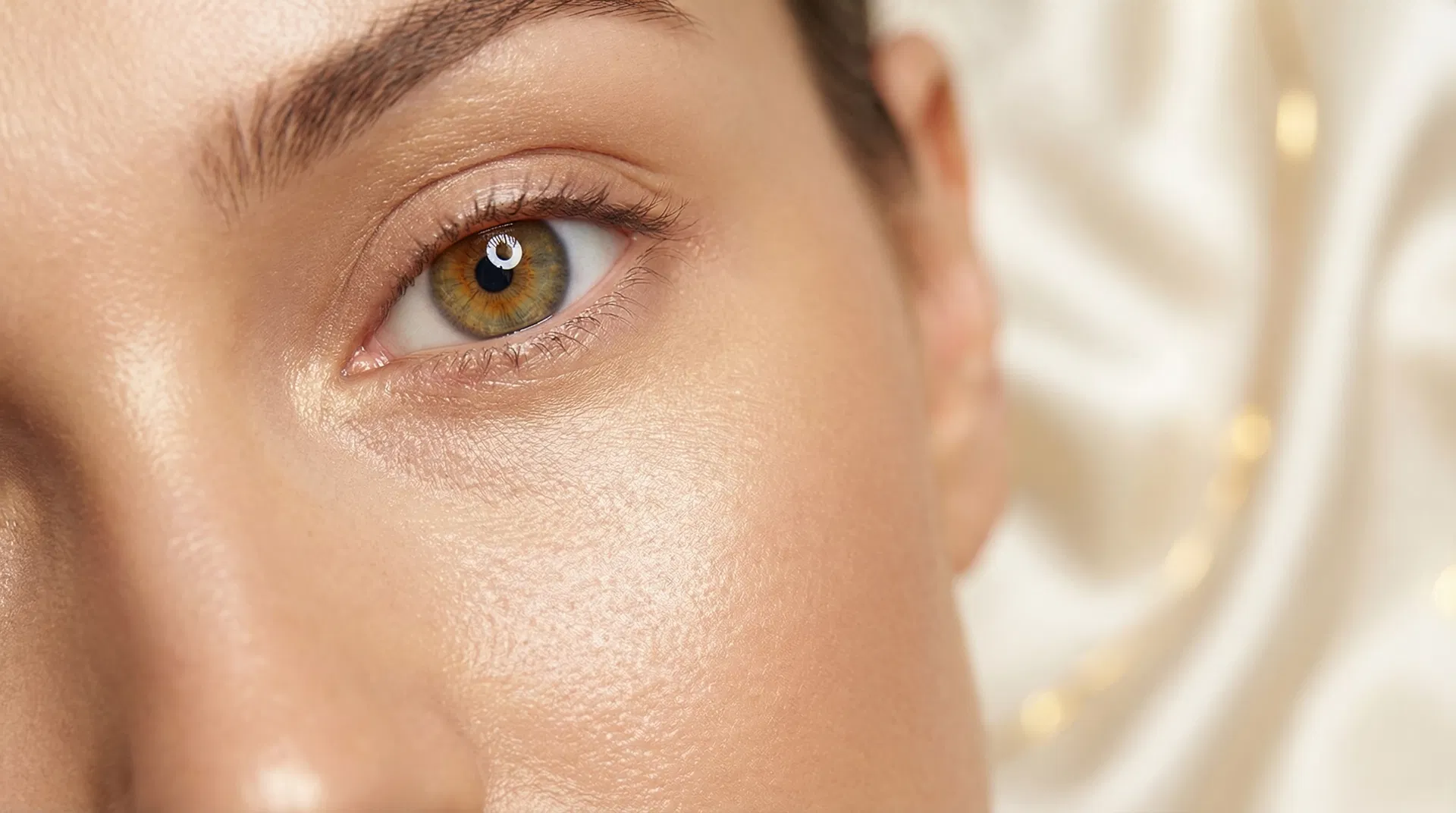
Tired of looking tired? Our complete guide to under-eye and tear trough fillers in London explains how HA fillers, Polynucleotides, and Mesotherapy can restore volume and refresh your appearance. Find out if you're a candidate.
Understanding the Tear Trough: Why Do I Look So Tired?
The delicate area under the eyes is one of the first places to show signs of ageing. Many people find that no matter how much sleep they get, they are constantly told they look tired. This is often due to the development of tear troughs: the hollows or grooves that run from the inner corner of the eye down towards the cheek. These depressions can cast a dark shadow, creating the appearance of dark circles and a fatigued, aged look that can affect your confidence.
But what causes them? The primary reason is volume loss. As we age, our facial bones, fat pads, and skin begin to change. The supportive fat under the eyes diminishes, and the skin, which is already the thinnest on the body, becomes even thinner and loses elasticity. This combination causes the area to sink, forming a distinct groove. Genetics can also play a significant role; some individuals are simply predisposed to having deeper tear troughs from a younger age. Lifestyle factors like sun exposure, smoking, and poor sleep can accelerate this process, making the hollows more pronounced.
The Anatomy of the Under-Eye Area
To understand the treatment, it helps to understand the anatomy. The under-eye area is a complex structure of thin skin, muscle (orbicularis oculi), fat pads, and the orbital rim bone. The tear trough deformity, as it's known clinically, is not just about the skin but the interplay between all these layers. When the ligament that tethers the skin to the bone becomes more prominent due to volume loss around it, the hollow is accentuated. It's this loss of structural support that under-eye treatments aim to correct, rather than simply covering up the problem.
What is Under-Eye Filler Treatment?
Under-eye filler, or tear trough filler, is a non-surgical cosmetic procedure designed to restore volume to the hollows beneath the eyes. By carefully injecting a dermal filler product into the target area, an experienced practitioner can smooth the transition between the lower eyelid and the cheek, effectively 'filling in' the groove. This reduces the shadow, brightens the under-eye area, and creates a smoother, more youthful, and refreshed appearance.
The most common type of filler used for this delicate area is made from Hyaluronic Acid (HA). HA is a substance that occurs naturally in our skin, providing hydration, structure, and volume. When used as a filler, it comes in a smooth gel form that integrates seamlessly with the surrounding tissue. At Mesglo London, we use specific, high-quality HA fillers that are licensed for the tear trough area, ensuring they are safe, effective, and deliver natural-looking results. The procedure is quick, with minimal downtime, making it a popular choice for those seeking immediate improvement.
Tear trough filler is not about changing your features, but restoring them. It's a subtle art that, when done correctly, simply makes you look like the best, most well-rested version of yourself.
Key Treatment Options for Tear Trough Correction
While Hyaluronic Acid fillers are the gold standard for immediate volume restoration, regenerative treatments are changing the way we approach under-eye rejuvenation. At our Marylebone clinic, we often recommend a combination approach for superior, long-lasting results. The best treatment depends on your specific concerns: whether it's primarily volume loss, poor skin quality, or pigmentation.
Understanding the differences between these leading options is key to making an informed decision. Below, we compare the most effective treatments for tackling tired eyes and dark circles, from traditional fillers to cutting-edge polynucleotides.
| Treatment | Primary Function | Best For | Results Timeline | Cost (from) |
|---|---|---|---|---|
| Hyaluronic Acid (HA) Filler | Volume restoration | Deep hollows, significant volume loss | Immediate | From £250 |
| Lumi Eyes (Polynucleotides) | Skin regeneration & repair | Fine lines, thin skin, mild darkness | Gradual (over weeks) | £300 |
| Mesotherapy | Hydration & nutrient delivery | Dehydrated skin, dullness | Gradual (series of treatments) | £250 |
A Deeper Look: Polynucleotides (Lumi Eyes) vs. HA Fillers
The choice between a traditional HA filler and a regenerative treatment like Lumi Eyes often causes confusion. While both address under-eye concerns, they work in fundamentally different ways. Hyaluronic acid filler is a gel that physically occupies space, instantly adding volume where it has been lost. Think of it as placing a supportive cushion beneath the skin to lift the hollow. Its effect is immediate and predictable, making it an excellent solution for structural depressions.
In contrast, Lumi Eyes uses polynucleotides, which are powerful biostimulators. Instead of just filling, they send signals to your cells, stimulating them to produce more collagen and elastin. This process repairs the skin from within, improving its thickness, hydration, and overall quality over time. It doesn't add significant volume but works to strengthen the skin, making it more resilient and less translucent. For many patients, the ideal approach involves using HA filler for the deep volume correction and Lumi Eyes to rejuvenate the overlying skin for a truly comprehensive result.
| Feature | Tear Trough Filler (HA) | Lumi Eyes (Polynucleotides) |
|---|---|---|
| Mechanism | Adds immediate volume and structure | Stimulates cellular repair and collagen production |
| Main Goal | Fill hollows and correct structural deficits | Improve skin quality, thickness, and hydration |
| Ideal Candidate | Someone with distinct volume loss and good skin quality | Someone with thin, crepey skin, fine lines, and mild darkness |
| Results | Visible immediately | Develop over 2-4 weeks as skin regenerates |
| Longevity | 9-18 months | Long-term skin health improvement; maintenance recommended |
Are You a Suitable Candidate for Under-Eye Filler?
Tear trough filler can be a transformative treatment, but it is not suitable for everyone. A thorough consultation with an experienced aesthetic practitioner is essential to determine if it is the right choice for you. During your consultation at our London clinic, we will assess your anatomy, skin quality, and medical history to ensure your safety and the suitability of the procedure.
The ideal candidate typically has good skin elasticity and thickness, with a clear hollow or volume deficit under the eyes. It is crucial to distinguish between a true tear trough and other concerns that filler cannot fix, such as pigmentation or large under-eye bags (festoons or malar mounds), which can be made worse by filler. We will only recommend a treatment if we are confident it will deliver the results you desire.
Who is a Good Candidate?
Who Should Avoid This Treatment?
The Tear Trough Treatment Procedure: What to Expect
Your journey begins with a detailed consultation at our W1 clinic. We will discuss your concerns, assess your facial anatomy, and create a personalised treatment plan. On the day of the procedure, the treatment area will be thoroughly cleansed, and a topical numbing cream may be applied to ensure your comfort, although most modern fillers contain a local anaesthetic.
The injection process itself is meticulous and precise. Using either a fine needle or a cannula (a blunt-tipped tube that minimises bruising), your practitioner will carefully place small amounts of filler deep beneath the skin, directly onto the bone. This technique ensures the filler provides support from below, creating a smooth and natural contour. The entire appointment typically takes around 30-45 minutes, with the injection part lasting just a few minutes per side. You will be able to see the results immediately, though minor swelling or redness is normal.
Safety is our absolute priority. We use advanced cannula techniques for tear trough treatments, which significantly reduces the risk of bruising and vascular complications, ensuring a more comfortable and safer experience for our clients in Marylebone.
Safety, Risks, and Aftercare
While under-eye filler is considered a safe procedure when performed by a qualified medical professional, the area is extremely delicate and complex. The proximity to the eye demands a practitioner with a deep understanding of facial anatomy and extensive experience. The most common side effects are temporary and mild, including swelling, bruising, redness, and tenderness at the injection sites. These typically resolve within a few days to a week.
More serious risks, though rare, include infection, lumps or nodules, and vascular occlusion, where filler is inadvertently injected into a blood vessel. This is a medical emergency that requires immediate intervention. Choosing a reputable clinic like Mesglo London, where practitioners are trained to manage complications, is paramount. We provide comprehensive aftercare instructions to minimise risks and support your recovery. This includes avoiding strenuous exercise, alcohol, and makeup for 24 hours, and not applying pressure to the treated area.
Alternatives to Under-Eye Filler
If you are not a suitable candidate for tear trough filler, or if you prefer to explore other options, there are several effective alternatives available. For concerns related to skin quality, such as fine lines, crepiness, and mild darkness, regenerative treatments are often a better first choice. These work to improve the health of your skin from the inside out.
Treatments like Lumi Eyes harness the power of polynucleotides to repair tissue and boost collagen, thickening the skin and improving its appearance. Similarly, Mesotherapy infuses the skin with a cocktail of vitamins and hyaluronic acid for intense hydration and brightening. For issues with pigmentation or surface texture, treatments like skin peels or microneedling can also yield excellent results. A bespoke combination therapy plan, which you can discuss with our experts, often provides the most comprehensive and satisfying outcome.
Conclusion
Tired-looking eyes and dark circles can be a significant concern, but modern aesthetic treatments offer powerful, effective solutions. Whether through the immediate volume restoration of tear trough filler or the deep cellular repair of regenerative treatments like Lumi Eyes, a brighter, more refreshed appearance is achievable. The key lies in a correct diagnosis and a personalised treatment plan from a skilled practitioner. If you are considering under-eye treatment in London, we invite you to book a consultation at our Marylebone clinic to discover the best approach for you.
Frequently Asked Questions
- How long does tear trough filler last?
- The results of hyaluronic acid-based tear trough fillers typically last between 9 and 18 months. The longevity can vary depending on the specific product used, your metabolism, and lifestyle factors. Over time, the body naturally breaks down the hyaluronic acid. Maintenance treatments are recommended to preserve the results.
- Does tear trough filler hurt?
- Most patients report minimal discomfort during the procedure. We typically apply a topical numbing cream before the treatment, and the dermal fillers we use contain a local anaesthetic (lidocaine) to further enhance comfort. You may feel a slight pressure or a dull sensation during the injection, but it is generally well-tolerated.
- What is the cost of under-eye filler in London?
- At Mesglo London, dermal fillers start from £250 per syringe, and Lumi Eyes, our injectable option for the under-eye area, starts from £250 per session. What tear trough work costs you depends on which route suits your under-eye anatomy and how much product is needed, so a precise quote is given at your consultation after assessment rather than published as a single figure.
- Can filler get rid of dark circles completely?
- Filler is effective for dark circles caused by shadows from under-eye hollows. By restoring volume, it smooths the area and reduces the shadow. However, if your dark circles are caused by pigmentation (excess melanin in the skin) or thin, translucent skin showing blood vessels, filler will not be the primary solution. In these cases, treatments like Lumi Eyes or chemical peels may be more effective. Often, a combination approach is best.
- What is the difference between a needle and a cannula for tear trough filler?
- A needle is sharp, while a cannula is a blunt-tipped, flexible tube. For the delicate under-eye area, many expert practitioners prefer using a cannula. It is inserted through a single entry point and can be manoeuvred to place the filler with less trauma to the surrounding tissue. This significantly reduces the risk of bruising, swelling, and the rare but serious risk of injecting filler into a blood vessel.
- What happens if I don't like my tear trough filler?
- One of the major advantages of using hyaluronic acid fillers is that they are reversible. If you are unhappy with the results, or if any complications like lumps occur, an enzyme called hyaluronidase can be injected to dissolve the filler safely and quickly. This provides an important safety net and peace of mind.
Related Treatments at Mesglo London
Related Articles You May Find Useful
- Lip Enhancement and Cheek Contouring: A London Guide (Dermal Fillers)
- Dermal Fillers in London: Types, Areas and What to Expect (Dermal Fillers)
- Nasolabial Fold Treatment in London: Dermal Fillers, Polynucleotides and Regenerative Options (Dermal Fillers)
- Skinfill Bacio vs Lip Filler: Which Lip Treatment Is Right for You? (Lip Treatments)
Book a consultation at Mesglo London to discuss this treatment.
View our before and after results to see real patient outcomes.
Browse all articles on the Mesglo London blog for more expert insights.