Acne Scar Treatment in Marylebone, London: The Complete Guide to Regenerative Solutions
Written by Rahena, Level 7 Aesthetic Practitioner | Mesglo London
Published
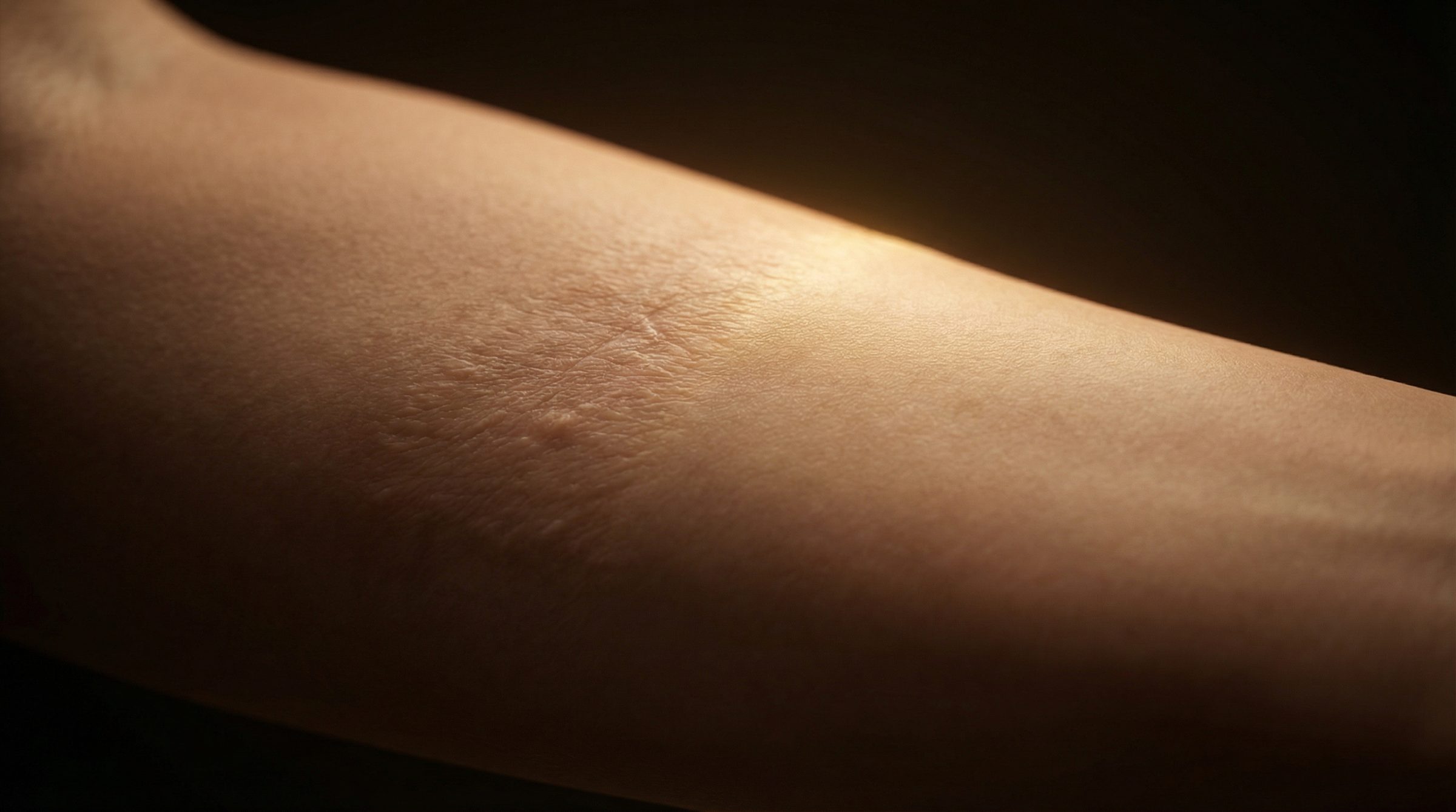
Living with the remnants of acne can be a daily challenge, casting a shadow long after the breakouts have cleared. For many Londoners, the quest for smooth, clear skin leads them to explore a myriad of treatments, yet the persistent nature of acne scars often requires a more advanced approach. The emotional and psychological impact of these scars is significant, affecting self-esteem and confidence. In a city as image-conscious as London, feeling good in your own skin is paramount. Fortunately, the field of aesthetic medicine has evolved beyond traditional methods, ushering in a new era of regenerative solutions that promise not just to conceal, but to genuinely heal and restore the skin’s natural integrity. At our Marylebone centre, we specialise in these cutting-edge therapies, offering a beacon of hope for those who have felt let down by conventional treatments. This comprehensive guide will navigate the complex world of acne scar treatment in London, delving into the science behind regenerative aesthetics. We will explore how innovative treatments like Exosome Therapy, Polynucleotide Treatments, and advanced Microneedling are revolutionising skin repair, offering lasting results by harnessing the body’s own powerful healing mechanisms. From understanding the different types of acne scars (be it ice pick, boxcar, or rolling) to comparing the most effective regenerative solutions available, our goal is to empower you with the knowledge to make an informed decision and embark on a journey towards renewed confidence and visibly clearer skin. We will also touch upon how combining therapies such as medical-grade Skin Peels and targeted Mesotherapy can enhance outcomes, providing a truly bespoke treatment programme tailored to your unique skin concerns. Welcome to the future of scar revision, where science and aesthetics converge to deliver the flawless complexion you deserve.
Understanding Acne Scars: The First Step to Effective Treatment
Before diving into the innovative treatments available at our London clinic, it is crucial to understand the enemy. Acne scars are not a monolith; they are a diverse group of skin texture changes, each with its own characteristics and each requiring a tailored therapeutic strategy. These scars form as a result of the skin’s healing process after inflamed acne lesions, such as papules, pustules, or cysts, have damaged the follicle wall. When the body attempts to repair this damage, it can produce either too much collagen, creating a raised (hypertrophic) scar, or too little, resulting in a depression in the skin (atrophic scar).
The majority of acne scars are atrophic, and it is these that we primarily focus on with regenerative treatments. Understanding the specific type of atrophic scar you have is the foundational step in creating an effective treatment plan. Without proper identification, even the most advanced therapies may not deliver optimal results. This is why a thorough consultation at our Marylebone centre is so important; it allows our specialists to analyse your skin, correctly classify your scars, and design a regenerative programme that directly targets their unique structure and depth.
Ice Pick Scars: Deep and Narrow Pits
Ice pick scars are arguably the most challenging to treat due to their depth. They appear as small, narrow, and deep pits in the skin, resembling a puncture from a tiny ice pick. These scars are remnants of severe, cystic acne that has destroyed the skin tissue deep within the dermis. Their V-shaped structure extends far into the skin, making them resistant to many standard resurfacing treatments that only address the surface.
For these types of scars, regenerative therapies that can stimulate profound collagen production from deep within are essential. Treatments like advanced Microneedling, which creates micro-injuries to trigger a deep healing response, can be particularly effective. When combined with Exosome Therapy, the regenerative potential is magnified. Exosomes are nanoscale vesicles that act as messengers, delivering growth factors and proteins directly to the damaged cells, instructing them to regenerate and produce new, healthy collagen to fill in these deep pits from the bottom up.
Boxcar Scars: Broad, Defined Depressions
Boxcar scars are broad, crater-like depressions with sharply defined, vertical edges. Unlike ice pick scars, they are wider and have a U-shaped appearance. They result from widespread inflammation that has destroyed the collagen support network beneath the skin, causing the surface to collapse. These scars can be shallow or deep and are a common sight on the cheeks and temples.
The key to treating boxcar scars is to rebuild that lost collagen and lift the base of the scar to be level with the surrounding skin. Here, a combination of treatments often yields the best results. Polynucleotide treatments are a superb option, acting as a biostimulator to kick-start the skin’s own regenerative processes, improving skin quality and structure from within. When used alongside Microneedling, we can physically break down the sharp, fibrotic edges of the scar while the polynucleotides work to rebuild the underlying scaffold.
Rolling Scars: Wave-Like and Undulating Skin
Rolling scars are characterised by their wave-like, undulating appearance on the skin. They are typically wide and shallow, with sloping, indistinct edges that make the skin’s surface look uneven and tethered down. These scars form when fibrous bands of tissue develop between the skin’s surface and the subcutaneous tissue below, pulling the epidermis down and creating the rolling effect.
The primary goal when treating rolling scars is to break these fibrous tethers and stimulate a broad wave of new collagen to raise the depressed areas. This is where regenerative treatments truly excel. Exosome Therapy and Polynucleotide Treatments are exceptional at orchestrating a large-scale regenerative response, promoting widespread skin revitalisation and smoothing. These can be powerfully combined with subcision, a minor procedure to manually break the tethers, followed by treatments like Microneedling to ensure the skin heals in a smoother, more uniform way.
Post-Inflammatory Hyperpigmentation (PIH): The Lingering Discolouration
Often mistaken for scarring, Post-Inflammatory Hyperpigmentation (PIH) is the discolouration left behind after an acne lesion has healed. It appears as flat spots of brown, black, or sometimes red or pink colouration. PIH is caused by an overproduction of melanin, the pigment that gives skin its colour, in response to inflammation. While not a true scar in terms of texture, PIH can be just as distressing and can persist for months or even years if left untreated.
Effective management of PIH involves a dual approach: inhibiting excess pigment production and accelerating skin cell turnover to shed the discoloured cells. At our London centre, we often recommend a course of specialised Skin Peels. A targeted peel like the Cosmelan Peel is the gold standard for treating severe hyperpigmentation. It works by aggressively inhibiting the enzyme responsible for melanin production while simultaneously lifting away existing pigment. This can be complemented by a homecare programme and treatments like Mesotherapy, which can deliver pigment-inhibiting ingredients directly into the skin.
| Treatment | Best For Scar Type | Mechanism of Action | Primary Benefit |
|---|---|---|---|
| Exosome Therapy | Ice Pick, Boxcar, Rolling (All Types) | Delivers growth factors and mRNA to cells, directing them to regenerate | Powerful, deep skin regeneration and collagen production |
| Polynucleotide Treatment | Rolling, Shallow Boxcar, General Texture | Biostimulation of fibroblasts and provides a scaffold for healing | Improves overall skin quality, thickness, and hydration |
| Microneedling | Boxcar, Rolling, Shallow Scars | Creates micro-injuries to induce collagen production and break down scar tissue | Improves skin texture and reduces scar depth |
| Chemical Peels (inc. Cosmelan) | Post-Inflammatory Hyperpigmentation (PIH) | Exfoliates surface layers and inhibits pigment production | Corrects discolouration and improves skin brightness |
| Mesotherapy | Support for all scar treatments | Delivers a cocktail of vitamins, minerals, and hyaluronic acid to the skin | Nourishes skin and enhances the results of other treatments |
Expert Insight: A combination approach is almost always necessary for significant acne scar improvement. Rarely does a single modality effectively treat all scar types. A bespoke plan is the cornerstone of success.
Harnessing Regenerative Power: London’s Premier Acne Scar Treatments
At our Marylebone centre, we are at the forefront of the regenerative aesthetics revolution, moving beyond mere cosmetic fixes to offer treatments that fundamentally repair and rejuvenate scarred skin from the inside out. The philosophy is simple yet profound: to empower the skin to heal itself. By leveraging the body’s innate regenerative capabilities, we can achieve natural-looking, long-lasting results that were once thought impossible.
This approach is particularly transformative for acne scars, which are a direct result of dysfunctional healing. Regenerative treatments work by providing the skin with the signals and building blocks it needs to replace damaged tissue with new, healthy, and organised collagen and elastin fibres. This not only fills in depressions and smooths texture but also improves overall skin health, resilience, and radiance.
Exosome Therapy: The Future of Skin Regeneration
Imagine being able to send a direct message to your skin cells, telling them to regenerate, repair, and rebuild. This is the essence of Exosome Therapy, a groundbreaking treatment that is setting a new standard for acne scar removal. Exosomes are microscopic vesicles released by stem cells that contain a potent cargo of growth factors, cytokines, and messenger RNA. They act as the ultimate biological communicators, instructing recipient cells to behave in a more youthful, healthy manner.
When applied to scarred skin, often in conjunction with Microneedling to create channels for delivery, these exosomes trigger a powerful cascade of healing. They stimulate fibroblasts to produce vast amounts of new collagen, reduce inflammation that can lead to further scarring, and promote the formation of new blood vessels to nourish the healing tissue. This makes exosome therapy for acne scars one of the most exciting developments in regenerative medicine. It does not just patch up the problem; it fundamentally re-engineers the skin’s structure.
Polynucleotide Treatments: The Bio-Stimulating Powerhouse
Polynucleotide treatments represent another pillar of modern regenerative aesthetics. These are highly purified fragments of DNA extracted from salmon, which have a remarkable ability to stimulate skin cells without altering your own genetic material. When injected into the skin, these polynucleotides act as a biostimulator and a structural scaffold. They attract water molecules, leading to deep and lasting hydration, and they create an optimal environment for fibroblast activity.
More importantly, they signal the skin to ramp up its production of collagen and elastin, the two proteins essential for skin structure and elasticity. This process, known as biorevitalisation, leads to a gradual but significant improvement in skin quality, thickness, and texture. For acne scars, polynucleotides are invaluable for treating broader areas of textural irregularity, such as rolling and shallow boxcar scars. They work to rebuild the skin’s internal architecture, making it firmer, smoother, and more resilient.
Microneedling: The Foundational Regenerator
Microneedling, also known as Collagen Induction Therapy (CIT), is a cornerstone of our acne scar treatment programmes. This well-established procedure uses a device with fine, sterile needles to create thousands of controlled micro-injuries in the skin. This controlled trauma triggers the body’s natural wound-healing response, flooding the area with growth factors and stimulating the production of new, healthy collagen and elastin.
For acne scars, microneedling is particularly effective at breaking down the fibrous scar tissue that tethers the skin down in rolling scars and at stimulating collagen to fill in the depressions of boxcar and ice pick scars. The beauty of microneedling lies in its versatility and its ability to act as a powerful delivery system. The micro-channels created during the procedure significantly enhance the penetration and efficacy of topically applied regenerative serums, such as exosomes and polynucleotides.
Chemical Peels and Mesotherapy: Enhancing the Regenerative Process
While not regenerative in the same way as exosomes or polynucleotides, medical-grade Skin Peels and Mesotherapy are crucial supporting players in our comprehensive acne scar treatment programmes. Chemical peels work by applying a specialised solution to the skin that causes the outer, damaged layers to exfoliate and peel away, revealing newer, smoother skin underneath. This process stimulates cell turnover and can be highly effective for improving the appearance of shallow scars and, most notably, post-inflammatory hyperpigmentation.
Mesotherapy, on the other hand, involves micro-injections of a bespoke cocktail of vitamins, minerals, amino acids, and hyaluronic acid directly into the mesoderm (the middle layer of the skin). This provides the skin with the essential nutrients it needs to fuel the regenerative processes stimulated by other treatments, enhancing the overall outcome and ensuring the skin is healthy, hydrated, and resilient.
Regenerative treatments are a journey, not a destination. Results are gradual, cumulative, and require a course of treatments. Patience is rewarded with authentic, lasting skin renewal.
Conclusion
Embarking on a journey to treat acne scars is a significant step towards reclaiming your confidence and loving the skin you are in. The landscape of aesthetic medicine has shifted dramatically, and in London, you now have access to a powerful arsenal of regenerative treatments that offer more than just a temporary fix. By moving beyond surface-level solutions and embracing therapies that harness your body’s intrinsic healing power, we can achieve profound and lasting skin transformation. From the deep, targeted repair of Exosome Therapy to the bio-stimulating prowess of Polynucleotide Treatments, the options are designed to rebuild and restore. These innovative approaches, supported by foundational treatments like Microneedling and targeted peels, create a comprehensive strategy for smoother, clearer, and healthier skin. We understand that navigating these choices can be daunting, which is why our focus at our Marylebone centre is on education and personalisation. If you are ready to leave the shadows of acne scars behind and explore the future of skin regeneration, we are here to guide you. Book your comprehensive consultation with our aesthetic specialists and let us design the perfect regenerative programme to reveal your best-ever skin.
Frequently Asked Questions
- What is the best treatment for acne scars in London?
- There is no single best treatment for everyone. The optimal treatment depends entirely on the type, depth, and severity of your acne scars, as well as your skin type. For deep, narrow ice pick scars, a combination of Microneedling with Exosome Therapy is often the most effective approach. For broader boxcar and rolling scars, Polynucleotide Treatments combined with microneedling can yield fantastic results. Discolouration or PIH is best addressed with specialised Skin Peels like the Cosmelan Peel. The best treatment is a personalised combination therapy plan designed by an expert after a thorough skin analysis.
- How many sessions are needed for regenerative acne scar removal?
- Regenerative treatments work by stimulating your body’s own healing processes, which takes time. Results are cumulative. Typically, a course of 3–6 sessions is recommended for most treatments like Microneedling, Polynucleotide Treatments, or Exosome Therapy, spaced about 4–6 weeks apart. The exact number of sessions will be determined during your consultation and depends on the severity of the scarring and your skin’s individual response to the treatment.
- Is exosome therapy for acne scars painful?
- Patient comfort is a priority for us. Exosome Therapy is typically administered following a Microneedling session. Before the microneedling begins, a strong topical anaesthetic cream is applied to the treatment area to ensure it is thoroughly numbed. Most patients report feeling minimal to no pain during the procedure, describing the sensation as a slight vibration or pressure. There may be some mild redness and sensitivity for 24–48 hours post-treatment, but this resolves quickly.
- How long do the results of regenerative acne scar treatments last?
- One of the greatest advantages of regenerative treatments is that the results are long-lasting. Because these therapies stimulate your own body to produce new, healthy collagen and fundamentally repair the skin’s structure, the improvements are permanent. The new collagen that fills in the scars is your own and will not disappear. However, the natural ageing process will continue, and future skin concerns may arise. Maintaining a good skincare routine and protecting your skin from the sun will help preserve your results for years to come.
- Can I combine different acne scar treatments?
- Absolutely. In fact, combining treatments is the gold standard for achieving superior results. Acne scarring is rarely uniform, and most people have a combination of different scar types. Therefore, a multi-modal approach allows us to target each specific issue effectively. For example, we might use Microneedling to break down fibrous scar tissue, Exosome Therapy to regenerate at a deep level, and a Cosmelan Peel to clear up residual hyperpigmentation.
Related Treatments at Mesglo London
Related Articles You May Find Useful
- Hypertrophic Scar Treatment: Regenerative Solutions in London (Scar Treatments)
- Microneedling for Scars: The Complete Guide to Collagen Induction Therapy in London (Scar Treatments)
- Exosome Therapy for Scar Healing: The Science Behind Cellular Regeneration (Scar Treatments)
- Skinfill Bacio vs Lip Filler: Which Lip Treatment Is Right for You? (Lip Treatments)
Book a consultation at Mesglo London to discuss this treatment.
View our before and after results to see real patient outcomes.
Browse all articles on the Mesglo London blog for more expert insights.