Scar Treatments Marylebone London: The Complete Guide to Regenerative Scar Solutions
Written by Rahena, Level 7 Aesthetic Practitioner | Mesglo London
Published
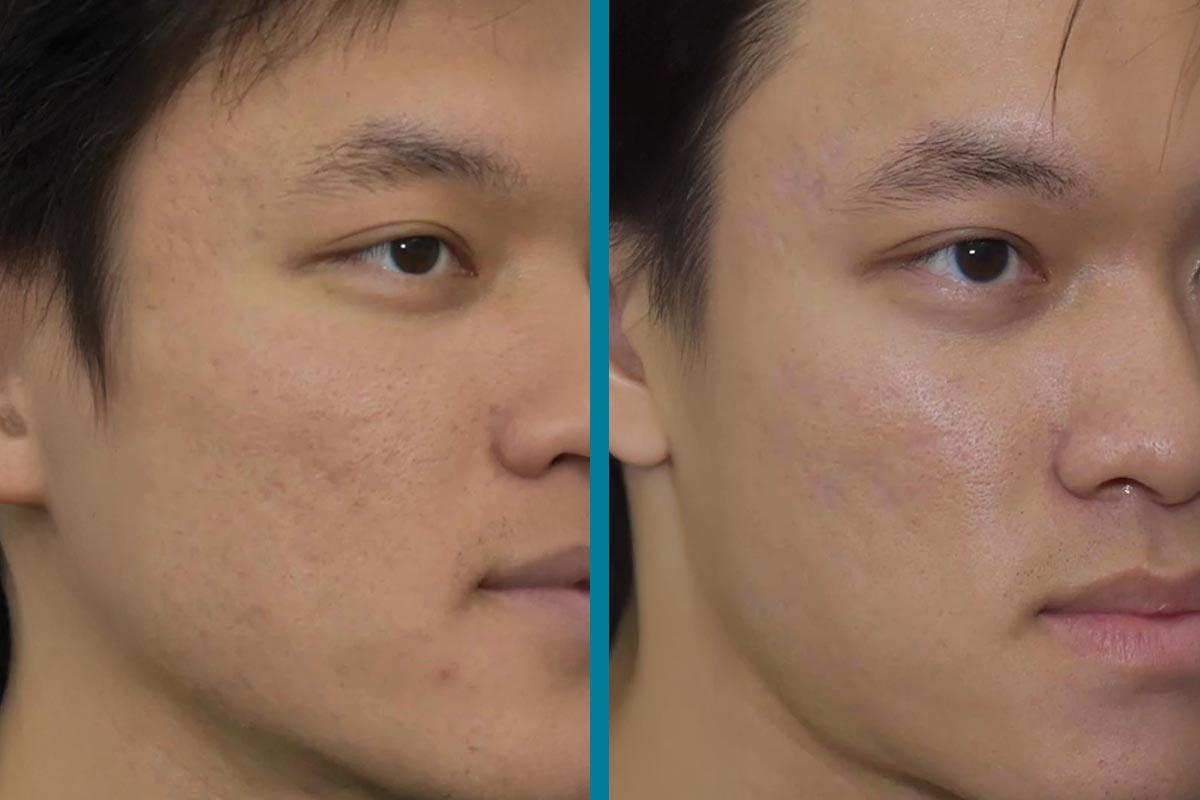
Scars are among the most emotionally challenging skin concerns we treat at Mesglo London. Whether the result of acne, surgery, injury, or a skin condition, a scar is a permanent reminder of something most people would rather forget. The good news is that modern regenerative aesthetics has transformed what is possible. This comprehensive guide covers every type of scar, the science of how they form, and the full range of advanced treatments available at our Marylebone clinic, from exosome therapy and polynucleotides to microneedling and medical-grade peels.
Understanding How Scars Form
To understand how to treat scars effectively, it helps to understand how they form. When the skin is wounded (whether by acne, surgery, trauma, or a burn) the body initiates a complex healing cascade. The dermis, the deeper layer of the skin, is repaired using collagen fibres. However, the collagen laid down during wound healing is structurally different from the collagen in normal, uninjured skin. Instead of the basket-weave pattern of healthy dermis, scar collagen is aligned in parallel bundles, giving it a different texture and appearance.
The type of scar that forms depends on several factors: the depth and size of the wound, the location on the body, the individual's genetics and skin type, and whether the wound became infected or was subjected to tension during healing. Understanding these variables is why a thorough skin assessment at our Marylebone clinic is the essential first step in any scar treatment programme.
Types of Scars We Treat
Not all scars are the same, and different types respond to different treatments. The most common types we see at Mesglo London include atrophic scars (depressions in the skin, most commonly from acne), hypertrophic scars (raised, thickened scars that remain within the original wound boundary), keloid scars (raised scars that grow beyond the original wound), and post-inflammatory hyperpigmentation (PIH), which is technically discolouration rather than true scarring but is often associated with acne and other inflammatory skin conditions.
Regenerative Treatments for Scars
The most significant advance in scar treatment over the past decade has been the development of regenerative therapies: treatments that harness the body's own biological repair mechanisms rather than simply masking or removing scar tissue. At Mesglo London, regenerative treatments form the cornerstone of our scar treatment programmes, delivering results that go far beyond what was previously achievable.
These treatments work by stimulating the skin's fibroblasts, the cells responsible for producing collagen and elastin, and by modulating the inflammatory processes that drive abnormal scar formation. The result is genuine tissue remodelling: the replacement of disorganised scar collagen with healthier, more normal-appearing skin architecture.
Exosome Therapy for Scar Healing
Exosome therapy represents the cutting edge of regenerative scar treatment. Exosomes are nano-sized vesicles secreted by stem cells that carry a cargo of growth factors, signalling proteins, and genetic material. When applied to scar tissue, they act as powerful biological messengers, instructing the skin's cells to switch from a repair mode to a regenerative mode.
For scar treatment, exosomes are particularly effective at reducing the chronic inflammation that perpetuates abnormal scar formation, stimulating the production of new, well-organised collagen, and promoting the formation of new blood vessels to nourish the healing tissue. Our detailed guide to exosome therapy for scar healing explores the science behind this remarkable treatment in depth.
Polynucleotide Treatments for Skin Regeneration
Polynucleotide (PDRN) treatments use purified DNA fragments derived from salmon or trout to stimulate the skin's natural regenerative processes. Polynucleotides activate the A2A adenosine receptor, triggering a cascade of cellular events that promote fibroblast proliferation, collagen synthesis, and tissue repair.
For scar treatment, polynucleotides are particularly valuable for improving skin texture and hydration, reducing the depth of atrophic scars, and softening the appearance of hypertrophic scars. They are often used in combination with microneedling to enhance penetration and amplify results.
Microneedling: The Foundation of Scar Treatment
Microneedling, also known as Collagen Induction Therapy (CIT), is one of the most versatile and effective treatments for virtually all types of scarring. The treatment uses a device with fine, sterile needles to create thousands of controlled micro-injuries in the skin. This triggers the body's wound-healing response, flooding the area with growth factors and stimulating the production of new collagen and elastin.
For atrophic acne scars, microneedling is particularly effective at breaking down the fibrous bands that tether rolling scars and at stimulating collagen to fill in the depressions of boxcar and ice pick scars. Our comprehensive guide to microneedling for scars covers the full range of scar types it can address, expected results, and what to expect during a course of treatment.
At Mesglo London, we frequently combine microneedling with exosomes or polynucleotides, applying these regenerative serums during the procedure so they are driven deep into the skin through the micro-channels. This combination approach consistently delivers superior results compared to either treatment alone.
- Effective for atrophic acne scars, surgical scars, stretch marks, and enlarged pores
- Safe for all skin types, including darker skin tones (Fitzpatrick IV-VI)
- Can be combined with exosomes, polynucleotides, or other regenerative serums for amplified results
- Typically requires a course of 3-6 sessions spaced 4-6 weeks apart
- Minimal downtime: most patients experience redness for 24-48 hours post-treatment
Treating Acne Scars: A Comprehensive Approach
Acne scarring is the most common type of scarring we treat at Mesglo London, and it is also one of the most complex. Most people with acne scarring have a combination of different scar types (ice pick, boxcar, and rolling scars) often alongside post-inflammatory hyperpigmentation. This complexity means that a single treatment is rarely sufficient; the gold standard is a personalised combination therapy programme.
Our detailed guide to acne scar treatment in London covers the full range of regenerative solutions available, from exosome therapy and polynucleotides to microneedling and the Cosmelan peel for associated hyperpigmentation. The key principle is that different scar types require different approaches, and the most effective programmes combine multiple modalities targeting each specific issue.
| Scar Type | Characteristics | Recommended Treatments |
|---|---|---|
| Ice Pick | Deep, narrow, V-shaped pits | Microneedling + Exosome Therapy |
| Boxcar | Broad, rectangular depressions with sharp edges | Polynucleotide Treatment + Microneedling |
| Rolling | Shallow, undulating depressions with sloping edges | Microneedling (breaks fibrous bands) + Exosomes |
| Post-Inflammatory Hyperpigmentation | Flat dark discolouration, not true scarring | Cosmelan Peel + Skin Peels + Mesotherapy |
| Hypertrophic | Raised, firm, red scar within wound boundary | Polynucleotides + Microneedling + Peels |
Hypertrophic Scars: Regenerative Solutions
Hypertrophic scars present a different challenge to atrophic acne scars. Rather than a loss of tissue, they represent an overproduction of collagen during the healing process. They are raised, firm, and often red or pink, and while they remain within the original wound boundary (unlike keloid scars), they can be significantly distressing, particularly when they occur on visible areas such as the face, neck, or décolletage.
Our approach to hypertrophic scar treatment focuses on using regenerative therapies to modulate the inflammatory processes that drive excess collagen production, while simultaneously remodelling the existing scar tissue. Polynucleotide treatments are particularly effective here, as they help to normalise the inflammatory environment and promote the production of more organised, softer collagen.
Skin Peels and Mesotherapy as Supporting Treatments
While regenerative treatments and microneedling form the core of our scar treatment programmes, medical-grade skin peels and mesotherapy play important supporting roles, particularly for post-inflammatory hyperpigmentation and surface texture improvement.
Chemical peels work by applying a specialised solution that causes the outer, damaged layers of skin to exfoliate, revealing newer, smoother skin underneath. For scar treatment, they are most valuable for addressing the discolouration and surface irregularities associated with post-inflammatory hyperpigmentation. The Cosmelan peel is particularly effective for stubborn pigmentation associated with acne scarring.
Mesotherapy involves the injection of a customised cocktail of vitamins, amino acids, hyaluronic acid, and other active ingredients directly into the skin. For scar treatment, mesotherapy helps to improve skin hydration, stimulate collagen production, and improve the overall health and resilience of the skin around the scar.
What to Expect: Your Scar Treatment Journey
Every scar treatment programme at Mesglo London begins with a thorough consultation with our Level 7 Aesthetic Practitioner. During this consultation, we assess the type, depth, and severity of your scarring, discuss your treatment goals and expectations, and design a personalised treatment plan tailored to your specific needs.
Most scar treatment programmes involve a course of 3-6 sessions, spaced 4-6 weeks apart to allow the skin to heal and new collagen to mature between treatments. Results are cumulative, each session builds on the last, and the most significant improvements are typically seen 3-6 months after completing a full course of treatment, as the new collagen continues to remodel and mature.
We recommend combining your in-clinic treatments with a tailored homecare regime, including medical-grade SPF protection (essential for preventing PIH from worsening), gentle cleansers, and targeted serums to support the skin's healing process between sessions.
The best scar treatment is always a personalised one. Book a consultation at our Marylebone clinic to receive a bespoke treatment plan designed specifically for your scar type, skin tone, and treatment goals.
Conclusion
Scar treatment has been transformed by the advent of regenerative medicine. At Mesglo London in Marylebone, we offer a comprehensive range of advanced treatments, from exosome therapy and polynucleotides to microneedling and medical-grade peels: that can significantly improve the appearance of virtually all scar types. The key to exceptional results is a personalised approach: a thorough assessment of your specific scarring, a bespoke treatment programme designed around your individual needs, and the expertise to combine treatments for maximum effect. If you are ready to take the first step towards clearer, smoother skin, book a consultation at our Marylebone clinic today. You can also compare our treatments side by side or browse our scar treatment articles for more expert insights.
Frequently Asked Questions
- Can scars be completely removed?
- Complete removal of a scar is rarely possible, as scar tissue is fundamentally different from normal skin. However, modern regenerative treatments can dramatically improve the appearance of most scars: reducing their depth, softening their texture, fading discolouration, and making them far less noticeable. The goal is significant improvement, not perfection, and most patients are delighted with the results achievable with a personalised combination treatment programme.
- How many sessions will I need for scar treatment?
- The number of sessions required depends on the type, depth, and severity of your scarring, as well as your individual healing response. Most scar treatment programmes involve a course of 3-6 sessions, spaced 4-6 weeks apart. During your consultation, we will assess your scars and provide a personalised recommendation for the number and type of treatments most likely to achieve your goals.
- Is scar treatment painful?
- Most of our scar treatments involve minimal discomfort. Microneedling is performed with the application of a topical numbing cream beforehand, making the treatment comfortable for most patients. Polynucleotide and exosome treatments involve small injections, which are well tolerated with topical anaesthetic. Skin peels may cause a mild tingling or warming sensation during the procedure. Our practitioners are experienced in making treatments as comfortable as possible.
- How long does it take to see results from scar treatment?
- Some improvement in skin texture and tone can be seen within a few weeks of starting treatment. However, the most significant results, particularly the improvement in scar depth and the remodelling of scar tissue, take time, as they depend on the production and maturation of new collagen. Most patients see their best results 3-6 months after completing a full course of treatment.
- Are regenerative treatments safe for darker skin tones?
- Yes. One of the significant advantages of regenerative treatments such as exosome therapy, polynucleotides, and microneedling is that they are safe for all skin types, including darker skin tones (Fitzpatrick IV-VI). This is in contrast to some laser treatments and aggressive chemical peels, which carry a higher risk of post-inflammatory hyperpigmentation in melanin-rich skin. Our practitioners are experienced in treating all skin types and will recommend the safest and most effective approach for your individual skin.
Related Treatments at Mesglo London
Related Articles You May Find Useful
- Acne Scar Treatment in London: The Complete Guide to Regenerative Solutions (Scar Treatments)
- Hypertrophic Scar Treatment: Regenerative Solutions in London (Scar Treatments)
- Microneedling for Scars: The Complete Guide to Collagen Induction Therapy in London (Scar Treatments)
- Skinfill Bacio vs Lip Filler: Which Lip Treatment Is Right for You? (Lip Treatments)
Book a consultation at Mesglo London to discuss this treatment.
View our before and after results to see real patient outcomes.
Browse all articles on the Mesglo London blog for more expert insights.